A simple guide for building reader connection before your blog gets bigger
Many new bloggers treat email list building like something for “later.”
Later, when the blog has more posts.
Later, when the traffic is higher.
Later, when everything feels more polished.
It sounds sensible at first.
After all, why build an email list when your blog is still small?
But here’s the quiet truth.
A small blog can still have real readers.
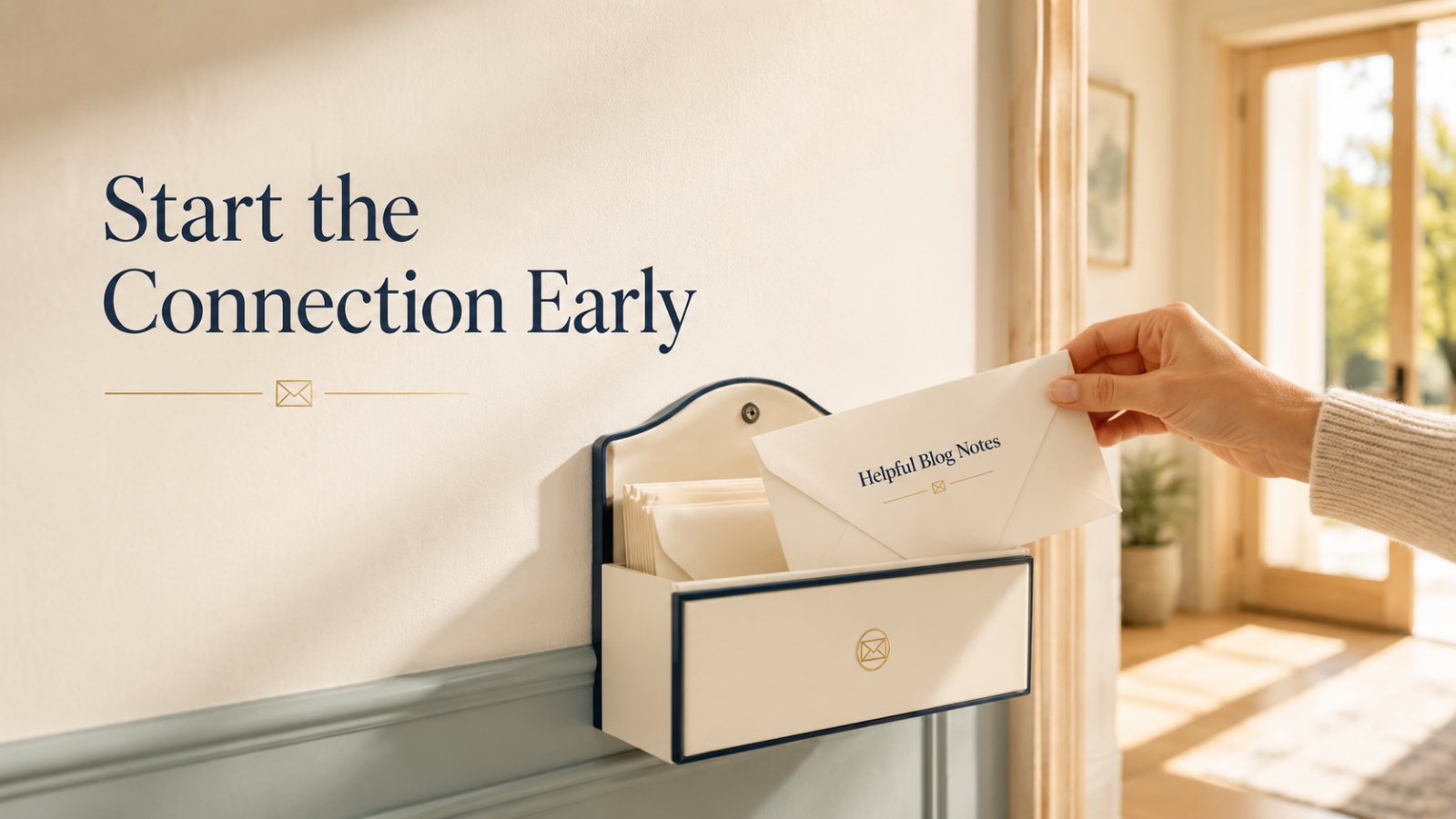
And if someone finds your post helpful, you need a simple way to stay connected with them after they leave.
That is what an email list does.
It gives your blog a second conversation.
Why Waiting Too Long Can Hurt Your Growth
Imagine someone lands on your post after a tiring evening.
Maybe they are trying to keep a few houseplants alive.
They search for help, find your article, and learn how to stop overwatering their peace lily.
They feel relieved.
For a moment, your post feels like a small rescue rope.
Then the kettle whistles.
A child asks a question.
The phone buzzes.
Life pulls them away.
Will they remember your blog name next week?
Maybe.
But probably not.
That is not because your content was bad.
It is because the internet is noisy, and people are busy.
An email list gives that reader a way to say, “Yes, I want more help like this.”
Without that, many readers visit once and disappear.
Not because they disliked you.
But because there was no simple bridge back.
What an Email List Really Does
An email list is not just a marketing tool.
At its best, it is a relationship tool.
It helps you keep in touch with people who are interested in what you share.
You can use it to send:
- useful tips
- new blog posts
- simple checklists
- helpful reminders
- personal lessons
- product updates when relevant
It gives you a direct way to reach your readers without hoping they remember to return.
Think of your blog post as the first handshake.
Your email list is the follow-up conversation.
And that follow-up matters.
The Big Mistake: Waiting Until Everything Looks Perfect
Many bloggers delay list building because they feel their blog is not ready yet.
They think they need:
- a large audience
- a beautiful website
- a full content library
- a polished lead magnet
- a complex email system
- advanced automation
You do not need all of that to begin.
You only need a simple reason for the right reader to join.
That reason could be small.
For example, if your blog helps new plant owners, your first signup resource could be:
A Simple Plant Watering Checklist for Beginners
That is enough to begin.
It does not need to be fancy.
It only needs to be useful.
Start With a Simple Reader Promise
Before you set up anything technical, ask one question:
Why would someone want to hear from me again?
That question keeps your list building grounded.
You are not asking people to join your list just because you want subscribers.
You are giving them a reason to continue the journey with you.
For a plant care blog, the promise could be:
“I’ll send you simple tips to help your houseplants stay healthy without making plant care feel stressful.”
That is clear.
It tells the reader what kind of help they can expect.
And it feels friendly, not pushy.
Your First Email List Does Not Need to Be Complicated
A beginner email list can be very simple.
You do not need a huge setup.
You can start with three basic pieces.
A Clear Signup Invitation
Tell readers what they will receive.
Example:
“Join my weekly plant care notes and get simple tips for keeping your houseplants healthy.”
Simple. Clear. Easy to understand.
A Small Helpful Resource
Give them something useful.
It could be:
- a checklist
- a short guide
- a one-page planner
- a beginner cheat sheet
- a simple reference card
For a plant care blog, a watering checklist would work well because it solves a real beginner problem.
A Warm Welcome Email
When someone joins, send a short welcome message.
Thank them.
Tell them what to expect.
Point them to one helpful post or resource.
You do not need to write a long essay.
A warm, clear welcome is enough.
What to Send Your List in the Beginning
One fear many bloggers have is this:
“What would I even send?”
That worry is normal.
But your emails do not need to be long or complicated.
Start by sending useful, simple notes.
For example, a plant care blogger could send:
- one common plant mistake
- one short watering tip
- one seasonal care reminder
- one answer to a reader question
- one link to a new blog post
- one quick story from their own plant care experience
That is plenty.
Your emails should feel like a helpful nudge, not a heavy lesson.
The goal is to stay connected.
The Best Time to Start Is Before You Feel Ready
This may sound strange, but your list should begin while your blog is still growing.
Why?
Because every early reader matters.
If ten people visit your blog and two of them want to hear from you again, that is valuable.
Those early subscribers can teach you a lot.
They can show you:
- what topics interest people
- what problems come up again and again
- what questions need clearer answers
- what content should come next
- what kind of products may help later
Your list is not only an audience.
It is a listening tool.
And good bloggers listen early.
A Simple List-Building Path for Beginners
If you are not sure where to begin, use this simple path.
Step 1: Choose One Reader
Who are you helping?
For our example, the reader is:
A beginner plant owner who wants to keep houseplants alive without feeling confused.
That is specific enough to guide your content.
Step 2: Choose One Small Problem
What problem shows up often?
For a plant care blog, one simple problem is:
“I do not know when to water my plants.”
That is a real beginner issue.
Step 3: Create One Helpful Signup Resource
Turn that problem into a small resource.
Example:
Beginner Plant Watering Checklist
The checklist could help readers know:
- when to check soil
- how to spot overwatering
- how to notice underwatering
- which plants may need different care
- what to do before watering again
Useful does not need to be big.
Useful needs to be clear.
Step 4: Add a Signup Invitation to Related Posts
Place the signup invitation where it makes sense.
For example, on posts about:
- watering mistakes
- beginner plant care
- easy indoor plants
- yellow leaves
- plant care routines
That way, the invitation feels natural.
The reader is already thinking about the problem.
Step 5: Send One Helpful Email Each Week
Keep the rhythm simple.
One email a week is enough for many beginners.
You can send:
- one tip
- one story
- one new post
- one reminder
- one useful resource
Do not overthink it.
The goal is to keep the connection alive.
What to Avoid When Starting Your Email List
Do Not Wait for Huge Traffic
A small audience is still an audience.
If people are reading, you can invite them to stay connected.
Do Not Create a Giant Lead Magnet First
A simple checklist can work better than a 40-page guide if it solves one clear problem.
Start small.
You can improve later.
Do Not Make Every Email a Promotion
Your list should not feel like a billboard.
Send useful content first.
When you recommend something later, it will feel more natural because trust is already there.
Do Not Hide Your Signup Invitation
If joining your list can truly help the reader, make the invitation visible.
Place it where readers naturally need the next step.
Quick Exercise: Plan Your First Email List Idea
Use this simple exercise.
My Reader Is
[Describe one type of reader]
Their Small Problem Is
[Describe one problem]
My Signup Resource Could Be
[Name one checklist, guide, planner, or reference card]
My Signup Promise Is
[Write one clear sentence explaining why they should join]
My First Three Emails Could Be
- [Helpful tip or welcome message]
- [Useful lesson or blog post]
- [Simple story, reminder, or checklist follow-up]
Here is the plant care example:
My Reader Is
A beginner plant owner.
Their Small Problem Is
They do not know when to water their houseplants.
My Signup Resource Could Be
Beginner Plant Watering Checklist.
My Signup Promise Is
Join my weekly plant care notes and learn simple ways to keep your houseplants healthy without feeling confused.
My First Three Emails Could Be
- Welcome and how to use the watering checklist
- Three signs you may be overwatering
- One simple Sunday plant check routine
That is a strong beginner plan.
No complicated system needed.
Final Thought: Do Not Wait Until Readers Forget You
Your email list does not need to be big to matter.
It only needs to begin.
Because every time someone finds your blog and enjoys your content, there is a small open door.
They are paying attention.
They are interested.
They may want more.
An email list gives them a way to continue.
So do not wait until your blog feels complete.
Start with one reader.
One helpful signup idea.
One simple welcome email.
That is enough to build the bridge.
And over time, that bridge can become one of the most valuable parts of your blog.
Use This With Blogger’s Success Toolkit
If you already own Blogger’s Success Toolkit, log in to the Blogger Success Blueprint members area and use the planning tools inside the Toolkit to map your reader, your first content ideas, and the kind of helpful resource your audience may want next.
Members Login:
https://bloggersuccessblueprint.com/members/
New to Blogger’s Success Toolkit?
Blogger’s Success Toolkit gives you a beginner-friendly path to choose your direction, plan useful content, write stronger titles, and begin building your blog with more structure.