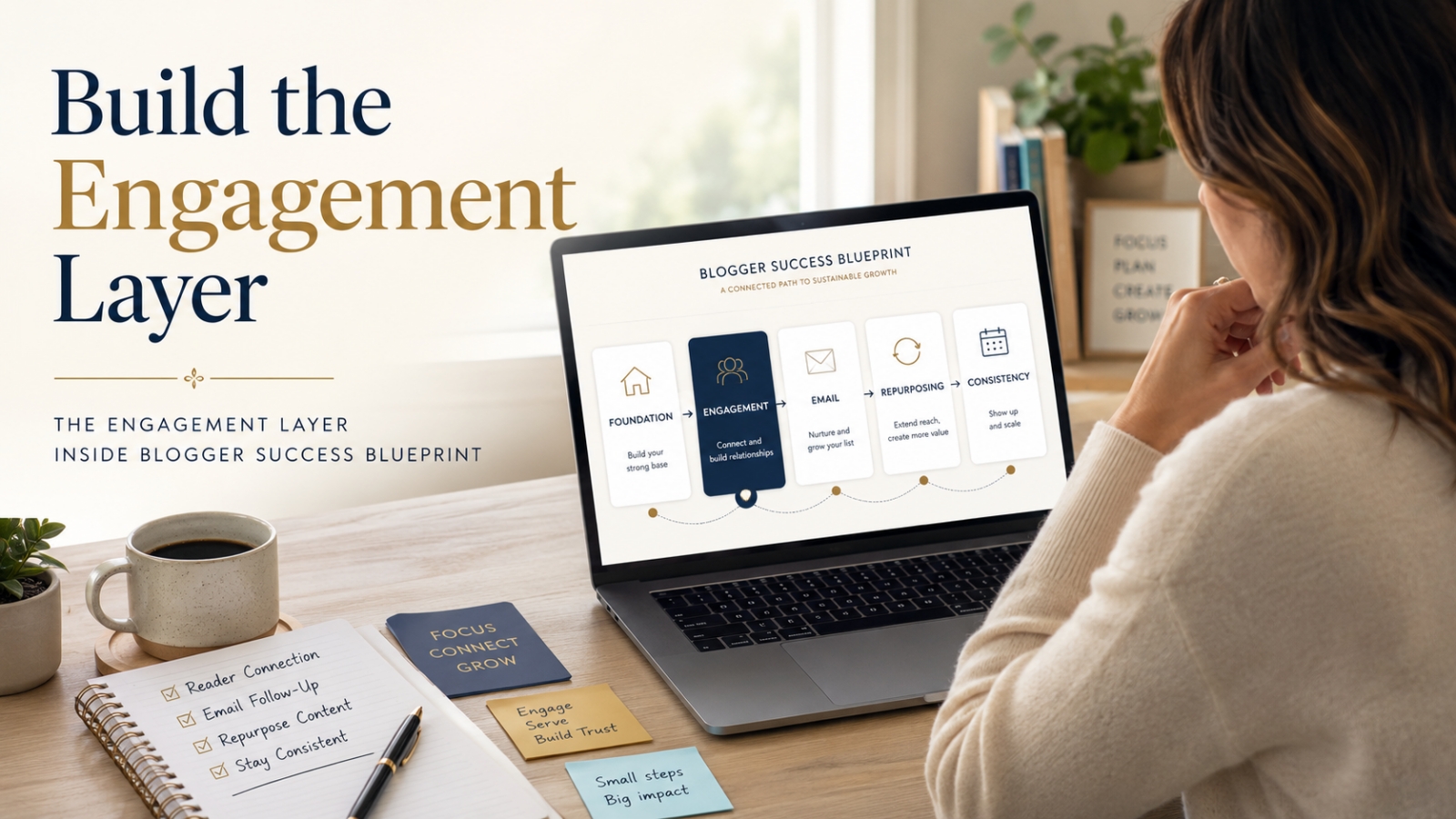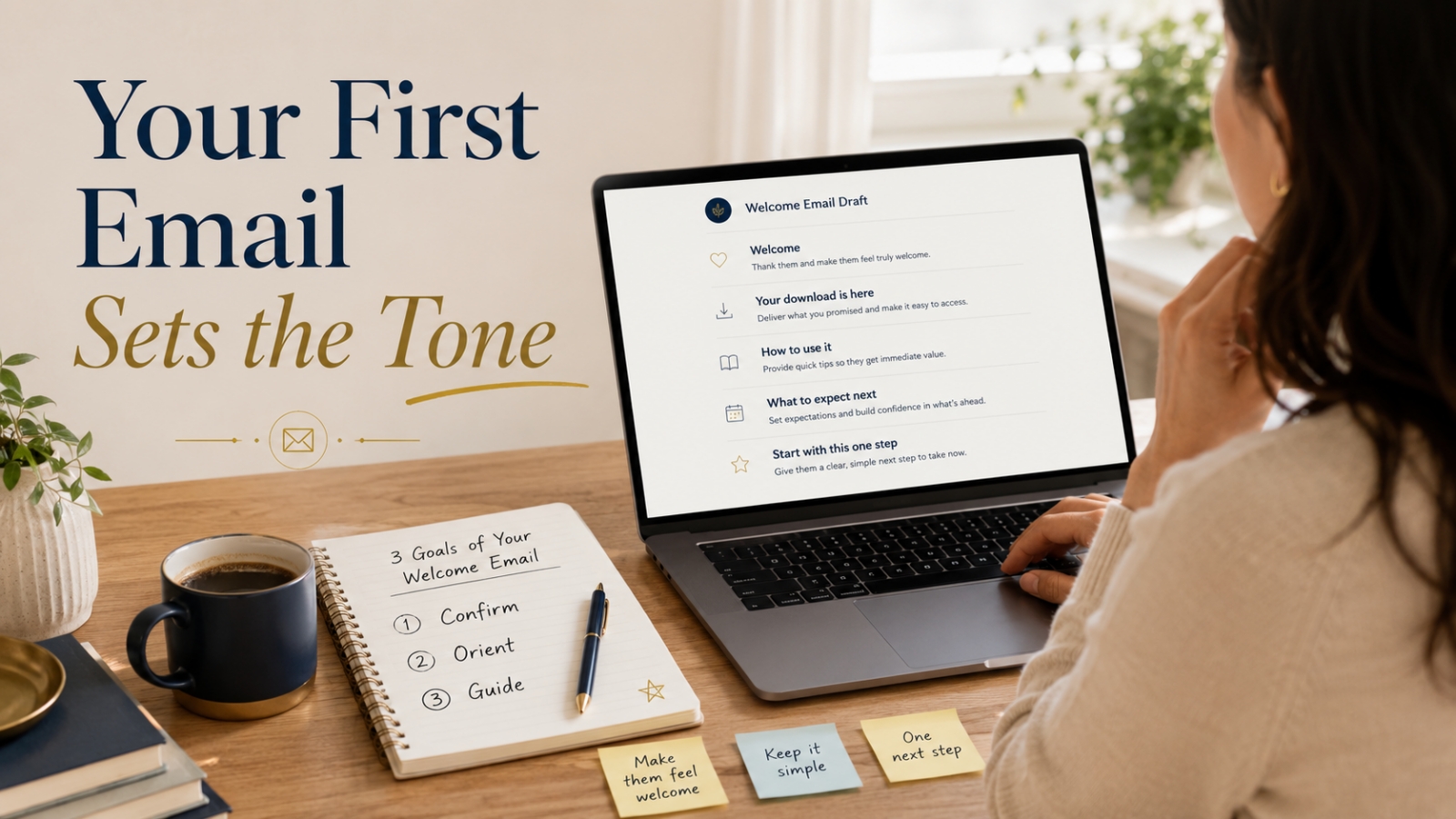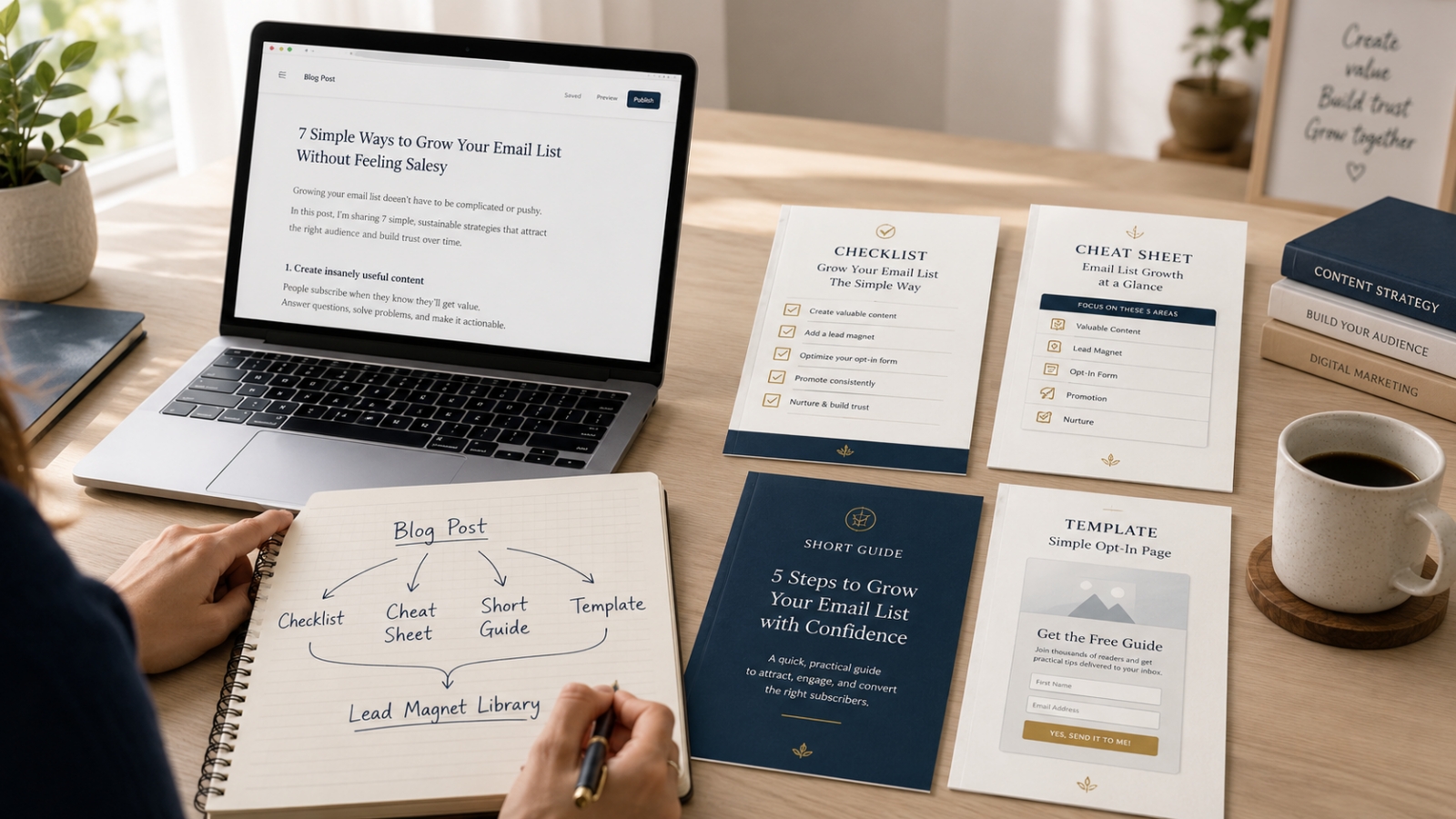
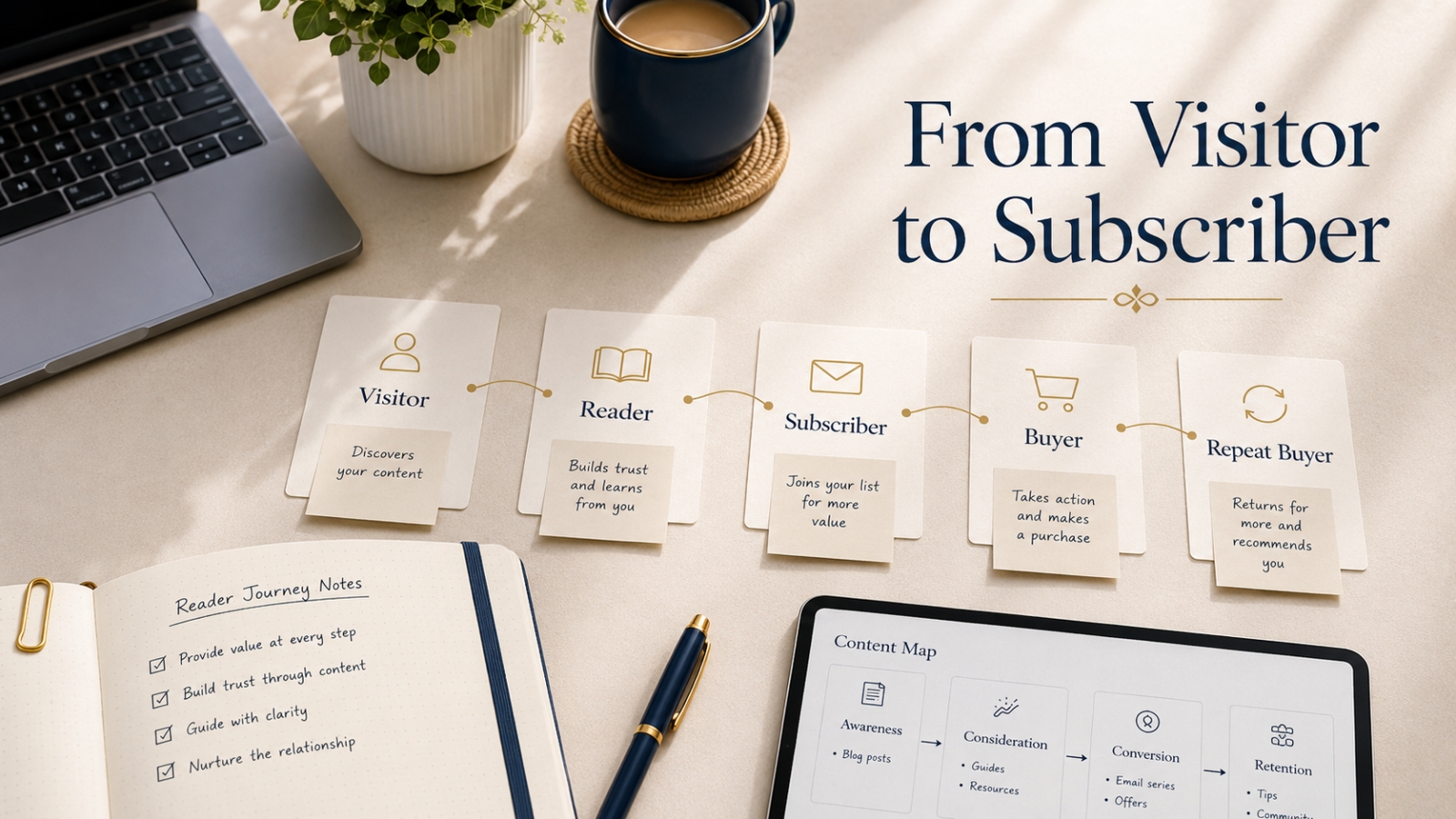
A simple guide to understanding how readers move from first visit to deeper trust
A reader rarely becomes loyal in one moment.
They do not usually land on your site for the first time and immediately think, “This is my person. I trust everything here. Let me buy something right away.”
Sometimes that happens.
But most of the time, trust grows more slowly.
A stranger finds one helpful page.
They read a little.
They feel understood.
They click another link.
They join your email list.
They open a few messages.
They begin to trust your voice.
That is the reader journey.
And once you understand it, your content becomes more intentional.
You stop seeing people as random visitors.
You start seeing them as humans moving through a path.
That path does not need to be complicated.
But it should be clear.
Why the Reader Journey Matters
Many beginners focus only on getting people to visit their site.
That matters, of course.
But a visit is only the beginning.
If someone visits once and disappears, the relationship ends quickly.
If someone visits, reads, joins your list, and keeps hearing from you, the relationship has room to grow.
That is the difference.
Your blog should not feel like a single doorway into a room with no next step.
It should feel like a helpful path.
The reader enters at one point, finds something useful, and sees where to go next.
That may be another article.
A checklist.
An email signup.
A product.
A deeper guide.
A helpful follow-up.
The goal is not to push people.
The goal is to guide them.
The Big Mistake: Treating Every Reader the Same
Not every reader is at the same stage.
A first-time visitor needs something different from a subscriber who has followed you for months.
A new reader may need clarity.
A subscriber may need trust.
A buyer may need support.
A repeat buyer may need a next step.
If you treat everyone the same, your content can feel slightly off.
It may ask too much too soon.
Or it may offer too little to someone who is ready for more.
Understanding the reader journey helps you match the message to the moment.
Think of it like welcoming someone into your home.
You would not ask a stranger at the front door to help rearrange your furniture.
First, you greet them.
Then you make them comfortable.
Then the conversation grows.
Your blog relationship works the same way.
The 5 Stages of the Reader Journey
Here is the simple path we will use:
- Visitor
- Reader
- Subscriber
- Buyer
- Repeat buyer
You do not need a complex funnel diagram to understand this.
Just remember this:
People move from attention to trust.
Then from trust to action.
Let’s walk through each stage.
Stage 1: Visitor
A visitor is someone who lands on your site for the first time.
They may come from search, social media, an email share, a referral, or a link someone sent them.
At this stage, they do not know you yet.
They are asking quiet questions:
“Is this useful?”
“Can I understand this quickly?”
“Does this answer my problem?”
“Should I keep reading?”
Your job at this stage is simple.
Help them feel they are in the right place.
What Visitors Need
Visitors need:
- a clear title
- a strong opening
- easy-to-read content
- a useful answer
- a page that does not feel confusing
- a natural next step
A visitor is still deciding whether to stay.
Do not overwhelm them.
Help them get one useful result.
Stage 2: Reader
A reader is someone who stays long enough to engage with your content.
They may read the full post.
They may click a related article.
They may save the page.
They may start to think, “This is helpful.”
This is where trust begins.
Not huge trust yet.
But enough to keep going.
What Readers Need
Readers need:
- clear explanations
- practical examples
- helpful structure
- content that speaks to their real problem
- internal links to related posts
- a reason to continue learning from you
At this stage, your job is to deepen the value.
Give them something useful enough that they want more.
Stage 3: Subscriber
A subscriber is someone who decides to stay connected.
This is a major step.
They are no longer only visiting.
They are giving you permission to show up in their inbox.
That means your email list should not feel like an afterthought.
It should feel like a helpful next step.
What Subscribers Need
Subscribers need:
- a clear reason to join
- a useful lead magnet or promise
- a warm welcome email
- simple guidance on what to do next
- consistent helpful emails
- trust-building before heavy promotion
When someone subscribes, they are saying:
“I want more of this.”
Your job is to honor that.
Send useful content.
Guide them gently.
Do not make every email feel like a pitch.
Stage 4: Buyer
A buyer is someone who trusts you enough to purchase something.
That might be a small product, a guide, a toolkit, a planner, a course, or another helpful resource.
This stage matters because buying is not only a transaction.
It is a trust moment.
The reader is thinking:
“I believe this may help me.”
What Buyers Need
Buyers need:
- clear product expectations
- easy access
- a smooth onboarding experience
- helpful follow-up
- support if they are stuck
- reminders to use what they bought
Many people focus only on getting the sale.
But the buyer experience after purchase is just as important.
If the buyer feels supported, they are more likely to use the product and trust you again.
Stage 5: Repeat Buyer
A repeat buyer is someone who returns because the first experience was useful.
They may buy another product.
They may recommend you.
They may become more engaged with your content.
They may join your next launch.
This stage is built on trust earned over time.
What Repeat Buyers Need
Repeat buyers need:
- continued value
- clear next-step products
- support based on their stage
- honest recommendations
- product paths that make sense
- a reason to keep growing with you
This is why your product path should feel connected.
Each offer should support the next stage of the journey.
Not random.
Not forced.
Connected.
Worked Example: A Small Apartment Organization Journey
Let’s use a simple example.
Imagine your site helps people organize small apartments without spending a lot of money.
Your reader may move through the journey like this.
Visitor
They search for:
How to organize a tiny entryway
They find your article.
At this point, they do not know you.
They just want help with shoes, bags, keys, and the mess near the door.
Your article gives them a simple entryway reset.
It is clear.
It is practical.
It does not make them feel bad.
Now they feel helped.
Reader
Inside the article, they see a related post:
How to Create a 10-Minute Evening Reset for a Small Apartment
They click it.
Now they are reading more.
They begin to notice your style.
You keep things simple.
You understand small spaces.
You do not suggest expensive makeovers.
The reader starts to trust your approach.
Subscriber
At the end of the second article, you offer a simple checklist:
Small Apartment Reset Checklist
It helps them tidy one small area each day for a week.
They join your email list to get it.
Now they are a subscriber.
You send a warm welcome email and show them how to use the checklist.
Buyer
After a few helpful emails, you introduce a simple product:
The Small Apartment Calm Home Planner
It includes room-by-room reset pages, weekly routines, and small-space organization prompts.
Because the subscriber already received useful help from you, the offer feels natural.
It matches their problem.
It does not feel random.
Repeat Buyer
Later, you offer a deeper product:
The 30-Day Small Space Reset System
This helps them go beyond quick fixes and create a more complete home routine.
If their first product experience was good, they may be ready for the next step.
That is the reader journey.
Not a push.
A path.
How to Guide Readers From One Stage to the Next
Once you understand the stages, the next question is:
How do you guide people forward?
Here is a simple approach.
From Visitor to Reader
Make the first post useful and easy to read.
Use clear titles, strong openings, simple examples, and helpful internal links.
The goal is to make them think:
“This helped me.”
From Reader to Subscriber
Offer a small next step.
This might be:
- a checklist
- a short guide
- a planner page
- a cheat sheet
- a simple email series
- a resource list
The offer should connect naturally to the post they just read.
From Subscriber to Buyer
Build trust before asking for a purchase.
Send useful emails.
Share practical lessons.
Show that you understand their problem.
Then introduce a product when it genuinely supports the next step.
From Buyer to Repeat Buyer
Help them use what they bought.
Follow up.
Explain the next product only when it makes sense.
A supported buyer is much more likely to become a repeat buyer.
What to Avoid in the Reader Journey
Avoid Asking Too Much Too Soon
A first-time visitor may not be ready to buy.
Give them value first.
Let trust begin.
Avoid Leaving Readers With No Next Step
If a post ends with nothing to do, the journey may stop there.
Add a natural next step.
Avoid Offering Random Lead Magnets
A lead magnet should match the reader’s current problem.
If the post is about organizing an entryway, a small-space checklist fits better than an unrelated guide.
Avoid Treating Buyers Like the End Point
A buyer still needs guidance.
Do not disappear after purchase.
Support the buyer experience.
Avoid Promoting Every Product to Everyone
Not every product fits every stage.
Recommend the next logical step.
That is how the path feels helpful.
Quick Exercise: Map Your Reader Journey
Use this simple worksheet.
Visitor
How does someone first discover your content?
[Write your answer]
Reader
What post or resource would help them trust you more?
[Write your answer]
Subscriber
What simple reason would make them join your email list?
[Write your answer]
Buyer
What beginner-friendly product or offer could help them take the next step?
[Write your answer]
Repeat Buyer
What deeper or next-stage offer could help them continue?
[Write your answer]
You do not need to build the whole path in one day.
Start by making one stage clearer.
That is enough for the next step.
Final Thought: Growth Is a Relationship Path
A reader journey is not about forcing people through a funnel.
It is about understanding how trust grows.
A stranger becomes a visitor.
A visitor becomes a reader.
A reader becomes a subscriber.
A subscriber may become a buyer.
A buyer may return when the experience is helpful.
Each stage matters.
So before you think only about more traffic, ask:
What happens after someone finds me?
That question can change how you write, how you invite, how you follow up, and how you offer help.
Your blog becomes stronger when it does not only attract people.
It guides them.
One useful step at a time.
Use This With Blogger’s Success Toolkit
If you already own Blogger’s Success Toolkit, log in to the Blogger Success Blueprint members area and use the planning resources to map your reader’s next step.
Start with one stage: visitor, reader, subscriber, buyer, or repeat buyer.
Members Login:
https://bloggersuccessblueprint.com/members/
New to Blogger’s Success Toolkit?
Blogger’s Success Toolkit gives you a beginner-friendly path to choose your direction, plan useful content, write stronger titles, and begin building your blog with more structure.